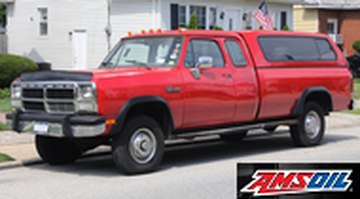
Maintaining Lubrication Integrity for the 1982 Dodge Trucks W250 5.2L
Proper engine maintenance is a cornerstone of long-term vehicle health, particularly for heavy-duty applications like those involving the 1982 Dodge Trucks W250. With a 5.2L engine, ensuring that the internal components receive consistent and clean lubrication is vital for managing friction and heat during operation. Because these vehicles are often subjected to varying workloads, staying proactive with fluid inspections and oil changes helps maintain mechanical efficiency.
Monitoring Fluid Condition and Potential Leakage
A primary aspect of routine service involves a thorough visual inspection of the engine bay to identify any signs of fluid loss. For an older vehicle, it is useful to look for evidence of seepage around various sealing surfaces. While some level of minor weeping can occur as gaskets age, significant wetness or active dripping warrants immediate attention.
When performing inspections, consider the following:
- Surface Seepage: Check for oily residue on the engine block or near various covers and seals.
- Puddle Identification: Regularly inspect the ground beneath where the vehicle is parked to catch slow leaks that might not be obvious while the engine is running.
- Fluid Appearance: If you are able to check the oil level, observe the color and consistency of the lubricant. Extremely dark or gritty oil can indicate that the fluid has been heavily contaminated or that service intervals have been exceeded.
If you notice a sudden change in how much oil the engine seems to use, or if you see unusual smoke from the exhaust, these symptoms should be investigated. It is important to remember that such signs can be associated with many different mechanical causes, and a professional diagnosis is often necessary to pinpoint the exact source.
Managing Engine Health Through Systematic Inspections
Effective maintenance for a 1982 Dodge Trucks W250 involves more than just changing the oil; it requires a holistic view of the engine's operating environment. This includes inspecting components that support the engine's ability to run smoothly and stay cool.
If equipped, inspect all accessible drive belts for signs of wear such as cracking, glazing, or fraying. Similarly, if the vehicle is equipped with various rubber hoses, check them for softness, swelling, or brittleness. These components are essential for maintaining proper engine temperatures and supporting accessory operation.
Electrical connections and wiring harnesses should also be inspected for signs of corrosion or heat damage. Ensuring that sensors and connectors remain clean and secure helps prevent erratic readings that could affect engine performance. Furthermore, checking the condition of the air filtration system is a simple but effective way to ensure the engine is not ingesting excessive debris, which can lead to internal contamination.
Prioritizing Maintenance Based on Current Condition
As vehicles age, owners often find it helpful to shift from a strictly calendar-based maintenance approach to one based on the actual condition of the vehicle. Rather than assuming parts need replacement simply because of the year of manufacture, focus on what the vehicle actually requires.
If you are stepping into ownership of this W250 without a complete service history, establishing a maintenance baseline is a wise first step. This involves performing a comprehensive inspection of all fluids and wear items to determine their current state. Once a baseline is established, you can better track changes over time.
When deciding where to direct your efforts, prioritize active issues. Addressing an existing leak or a worn belt is more critical than performing preventive maintenance on components that appear to be in excellent condition. Keeping detailed records of every oil change, filter replacement, and observed repair will allow you to identify patterns—such as increasing oil consumption or frequent component failures—that might otherwise go unnoticed.
The Role of Clean Lubricant in Engine Longevity
Engine oil performs several critical roles that are essential for the continued operation of a 5.2L engine. Beyond simply reducing friction between moving parts, the lubricant acts as a medium for heat management by carrying thermal energy away from high-friction areas. It also helps to suspend and carry away microscopic contaminants, preventing them from settling and forming deposits.
Maintaining the chemical integrity of the oil is vital. Over time, lubricants can undergo oxidation or become saturated with combustion byproducts, which reduces their ability to protect the engine. This is why adhering to a consistent service schedule is so important; fresh oil ensures that the additives designed for deposit control and thermal stability remain effective.
Practical Steps for Long-Term Ownership
For those looking to keep a 1982 Dodge Trucks W250 on the road for years to come, consistency is key. This means not only following service intervals but also being an observant operator. Pay attention to how the engine sounds during startup and how it behaves under load. Unusual mechanical noises or changes in vibration can be early indicators that a component requires inspection.
Additionally, do not overlook the importance of high-quality filters. A clean filter is just as important as the oil itself, as it provides the primary defense against particulate matter circulating through the engine. When performing service, always ensure that all components are tightened to the correct specifications and that no old gaskets or debris are left behind during the process.
Buying Engine Oil for your 1982 Dodge Trucks W250 5.2L
When it is time to replenish your engine's lubrication, the most important step is to match the lubricant to the specific requirements of your application. Because different engines and operating conditions require different properties, you should not rely on general assumptions about what an older truck might need.
Always refer to the vehicle-specific oil viscosity and application information provided on this webpage before making a purchase. When selecting a product, check the label to ensure it meets the appropriate API certification for your needs. You may choose between conventional, synthetic blend, or full synthetic formulations depending on your specific maintenance goals and the guidance found in your application data. If you are managing an engine with higher mileage, you might also consider high-mileage formulations that include seal-conditioning additives. Regardless of the type you choose, always verify that the product matches the viscosity listed in the technical specifications above to ensure optimal protection for your 5.2L engine.